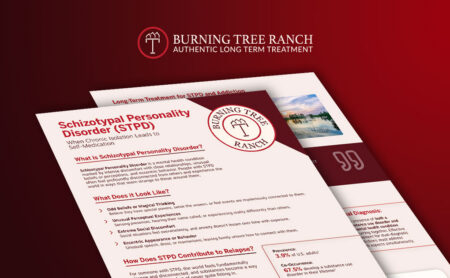

What is Schizotypal Personality Disorder?
Schizotypal Personality Disorder is a mental health condition marked by intense discomfort with close relationships, unusual beliefs or perceptions, and eccentric behavior. People with STPD often feel profoundly disconnected from others and experience the world in ways that seem strange to those around them.
What Does It Look Like?
-
Odd Beliefs or Magical Thinking
Believe they have special powers, sense the unseen, or feel events are mysteriously connected to them. -
Unusual Perceptual Experiences
Sensing presences, hearing their name called, or experiencing reality differently than others. -
Extreme Social Discomfort
Social situations feel overwhelming, and anxiety doesn't lessen over time with exposure. -
Eccentric Appearance or Behavior
Unusual speech, dress, or mannerisms, leaving family unsure how to connect with them.
How Does STPD Contribute to Relapse?
For someone with STPD, the world feels fundamentally strange and disconnected, and substances become a way to quiet the discomfort of never quite fitting in.
- Social Alienation Fuels Substance Use
Chronic feelings of being different or misunderstood drive use as a way to escape persistent loneliness. - Standard Treatment Relies on Connection
Recovery programs depend on therapeutic relationships and peer support that someone with STPD struggles to form. - Without Treating STPD, Isolation Persists
They leave treatment with the same disconnection from others, unable to build the relationships recovery requires.
Dual Diagnosis Stats:
Prevalence: 3.9% of U.S. adults¹
Co-Occurrence: 67.5% develop a substance use disorder in their lifetime²
Relapse Risk: Significantly elevated risk of persistent SUD at 3-year follow-up³
Long-Term Treatment for STPD and Addiction
Someone who struggles to form relationships and perceives the world differently cannot benefit from a program that depends on quick rapport with therapists and peers. They need extended time to slowly build the trust and connection that standard programs assume will happen quickly.
Our long-term, progress-based model allows consistent, repeated relationship-building that STPD demands. Clients advance through the program when they demonstrate genuine changes in how they connect with others and engage with treatment, not when a calendar says they’re done.

“Short-term approaches aren't effective for someone with STPD. These clients need time and consistency to help them feel safe enough to connect with others and question their established thought patterns.”
Meghan Bohlman, LPC-S, LCDC, EMDR-Trained
Executive Clinical Director, Burning Tree Ranch
Dual Diagnosis Treatment for STPD
Without treating the underlying disconnection and unusual thinking, the isolation that drove substance use remains, and the person returns to the same profound loneliness with no new way to cope.
-
Treating Both Conditions Together
Without addressing STPD, the social alienation that drives use remains. -
Building Relationship Skills
Recovery depends on connection with sponsors, peers, and community. STPD makes these relationships difficult without targeted work. -
Providing Enough Time
Deeply ingrained patterns of disconnection and unusual thinking take extended time to address.
Dual Diagnosis:
The presence of both a substance use disorder and a mental health condition occurring together. Effective treatment for dual-diagnosis addictions must address both aspects simultaneously.