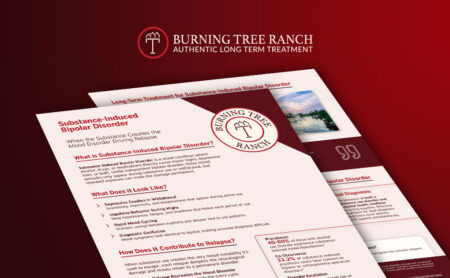

What is Substance-Induced Bipolar Disorder?
Substance-Induced Bipolar Disorder is a mood condition where alcohol, drugs, or medications directly cause manic highs, depressive lows, or both. Unlike independent bipolar disorder, these mood episodes only appear during substance use or withdrawal, but repeated exposure can make the damage permanent.
What Does It Look Like?
-
Manic Episodes During Intoxication
Grandiosity, impulsivity, and sleeplessness that appear during active use. -
Depressive Crashes in Withdrawal
Deep hopelessness, fatigue, and shutdown that follow each period of use. -
Rapid Mood Cycling
Dramatic swings between euphoria and despair tied to use patterns. -
Diagnostic Confusion
Mood symptoms look identical to bipolar, making accurate diagnosis difficult.
How Does It Disorder Contribute to Relapse?
When substance use creates the very mood instability it’s used to escape, each relapse deepens the neurological damage and moves closer to a permanent disorder.
- Each Relapse Recreates the Mood Disorder
Returning to substances restarts the entire cycle. - Misdiagnosis Leads to Ineffective Treatment
Without sustained sobriety, clinicians treat the wrong condition. - Continued Use May Worsen Underlying Bipolar
Repeated episodes can reveal a pre-existing vulnerability or accelerate disorder progression.
Dual Diagnosis Stats:
Prevalence: 40-60% of those with alcohol use disorder experience substance-induced mood disturbances¹
Co-Occurrence: 32.2% of substance-induced psychosis cases later convert to bipolar or schizophrenia spectrum disorders²
Disorder Escalation: Significantly increased risk of developing independent bipolar disorder with continued use³
Long-Term Treatment for Substance-Induced Bipolar Disorder
Distinguishing substance-induced from independent bipolar requires sustained sobriety under clinical observation, something no 30-day program can provide.
Our long-term, progress-based model provides the time and structure to reach an accurate diagnosis while building skills to manage mood without substances. Clients advance through demonstrated stability.

“Accurate diagnosis requires something no short-term program can provide: enough time in sustained sobriety to see whether the bipolar symptoms resolve or persist. That distinction changes everything about treatment.”
Meghan Bohlman, LPC-S, LCDC, EMDR-Trained
Executive Clinical Director, Burning Tree Ranch
Dual Diagnosis Treatment for Substance-Induced Bipolar Disorder
Without recognizing substance-induced bipolar, treatment addresses mood symptoms while the substance use creating them continues unchecked.
-
Achieving Accurate Diagnosis
Clinical observation during sustained sobriety reveals the true source. -
Stabilizing Mood Without Substances
Building coping skills that replace substance use. -
Providing Enough Time for Clarity
Months of sobriety separate substance-induced from independent bipolar.
Dual Diagnosis:
The presence of both a substance use disorder and a mental health condition occurring together. Effective treatment for dual-diagnosis addictions must address both aspects simultaneously.